The Learn-to-Discern Project is to train 100,000 Discernment Instructors to teach the cognitive skill of discernment to Catholic thinkers and others around the world.
You can enrol here in the ten-lesson course (a lesson a day). You can do it once or repeat many times and all in your own time and place. You may invite anyone who may be interested. You may start a weekly study group of your own. On completion, you may ask for a Certificate of Catholic Science Thinking from the School.


The Oxford English Dictionary defines discernment as ‘good judgment’.
Good judgment. Nice.
Not just judgment but good judgment. Any brain can judge. But, good judgment is another thing altogether.
The untrained brain is usually restricted to fault-checking and negative critiquing of the I-like-it/I-don’t-like-it variety of binary judgmental thinking. Why? Because it’s easy.
So, how do we go beyond mere judgment to good judgment? Here are ten synonyms to help you to further unpack the value and the meaning of discernment:
wisdom
enlightenment
subtlety
insight
perception
lateral thinking
ingeniousness
taste
refinement
sophistication.
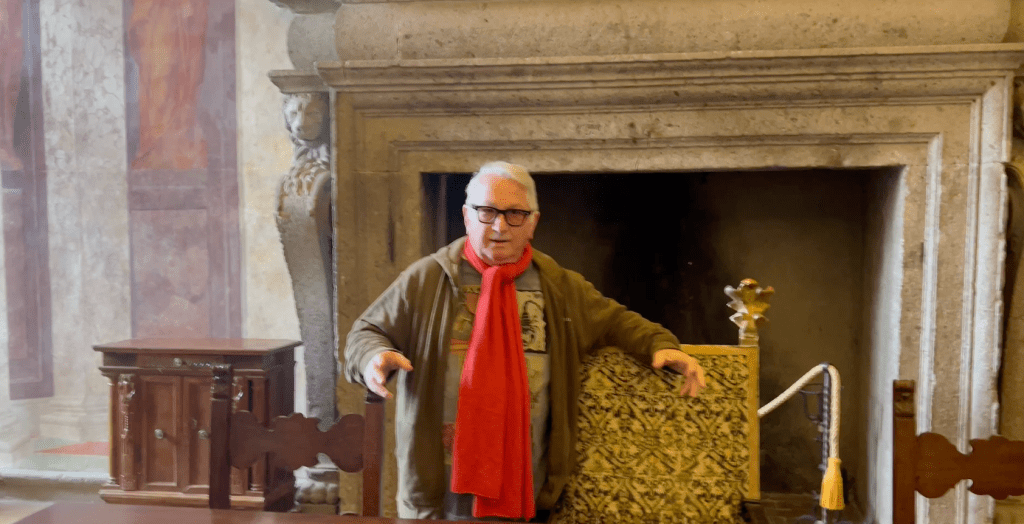
“These are ten meaningful words and you can search any of them with the press of the google button. You can start by googling: wisdom.” – Michael Hewitt-Gleeson
||||||||||||||||||||||||||||||||||||||||||||||||||||||||
Discernment according to Wikipedia:
“Discernment is the ability to obtain sharp perceptions or to judge well (or the activity of so doing). In the case of judgment, discernment can be psychological or moral in nature. In the sphere of judgment, discernment involves going past the mere perception of something and making nuanced judgments about its properties or qualities. Considered as a virtue, a discerning individual is considered to possess wisdom, and be of good judgment; especially so with regard to subject matter often overlooked by others.”
||||||||||||||||||||||||||||||||||||||||||||||||||||||||

Metacognition
Cognitive neuroscientists may call this metacognition. Metacognition refers to raising one’s consciousness about one’s own thinking. Mindfulness. The skill of thinking about and managing one’s own cognitive processes, including awareness, monitoring, and regulation of one’s thinking and learning strategies.
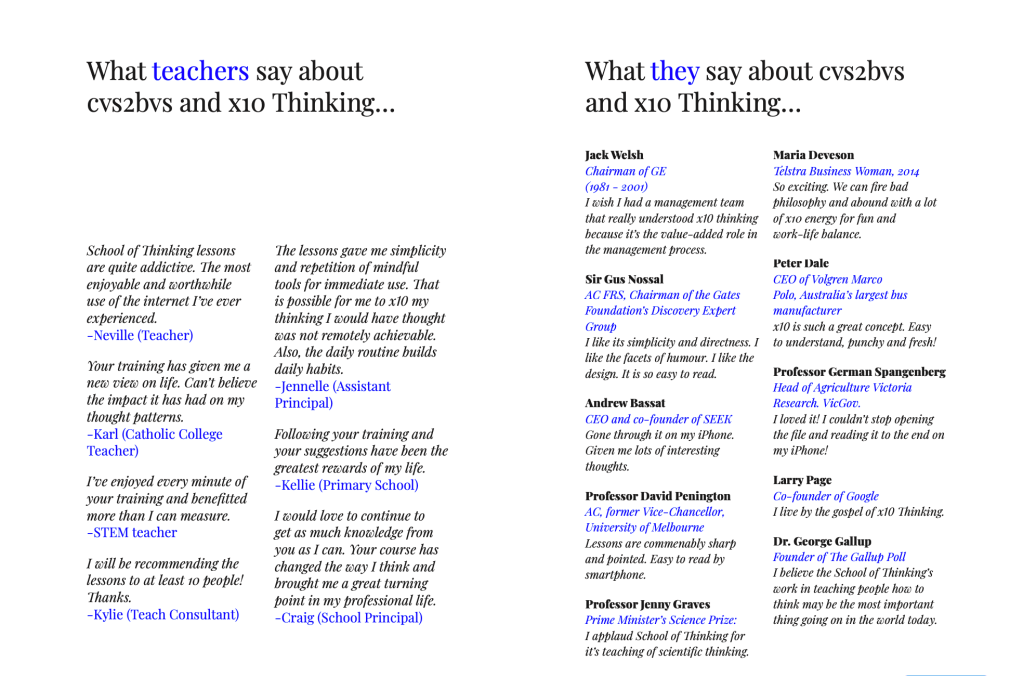
The Learn-To-Discern Project can teach these metacognition skills in ten lessons. We teach valuable, proven and effective cognitive tools like cvs2bvs, x10 Thinking and The WBG. The lessons are short, simple and rewarding. Learn to discern!
||||||||||||||||||||||||||||||||||||||||||||||||||||||||
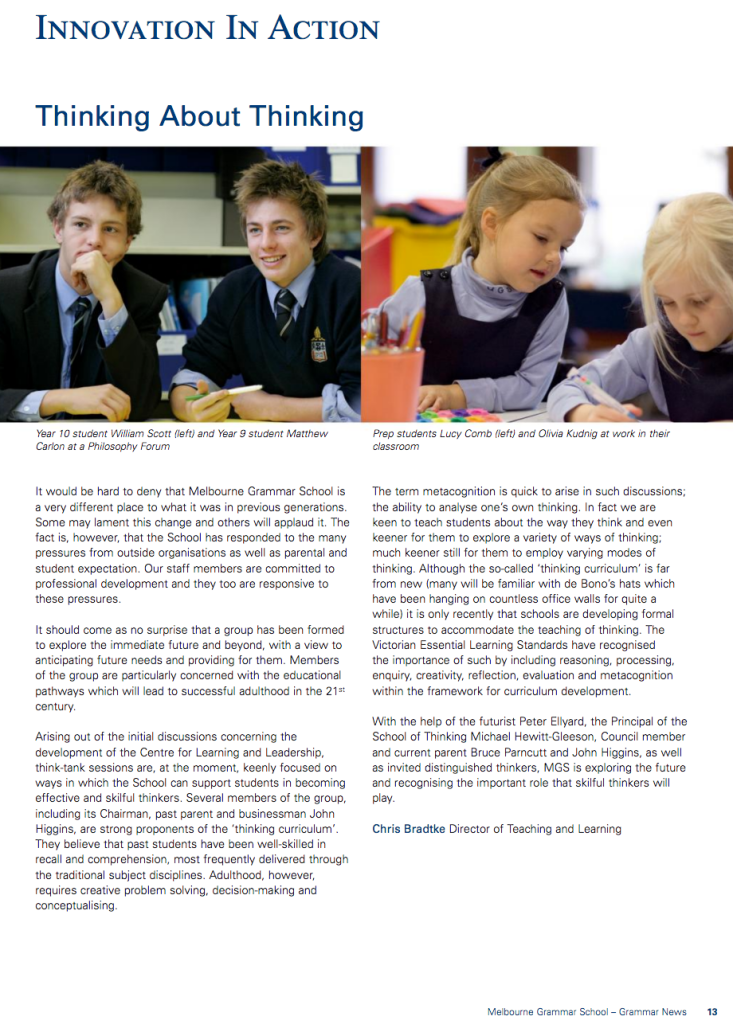
School Project – Melbourne Grammar School
||||||||||||||||||||||||||||||||||||||||||||||||||||||||
Pole Luciani speaks with discernment
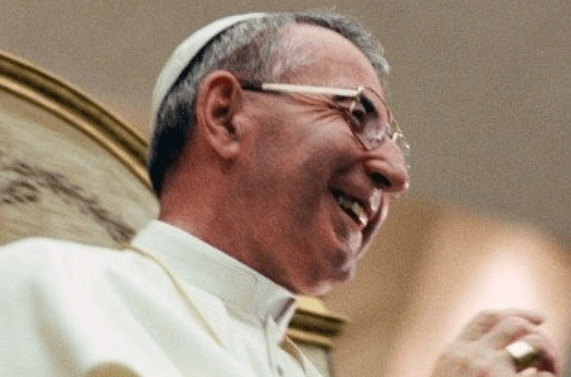
– Illustrissimi: Letters from Pope John Paul I
“They say: ‘We are all lame in the face of the truth. Once upon a time there was an authoritative teaching in the Church; now we are all seeking; this is the era of pluralism in the faith.’ But the faith is not pluralist: a healthy pluralism may be allowed in theology, in the Liturgy, in other things, but never in the faith. Once it is established that God has revealed a truth, the answer is yes, for everyone, in every age: a yes with conviction and courage, without doubts or hesitations. And the idea that the truths of the faith are only a momentary expression of the conscience and life of the Church must be rejected with every strength. These truths are always valid even if it is always possible to understand them better and to express them with new formulas, clearer and more suited to the new times.”
||||||||||||||||||||||||||||||||||||||||||||||||||||||||
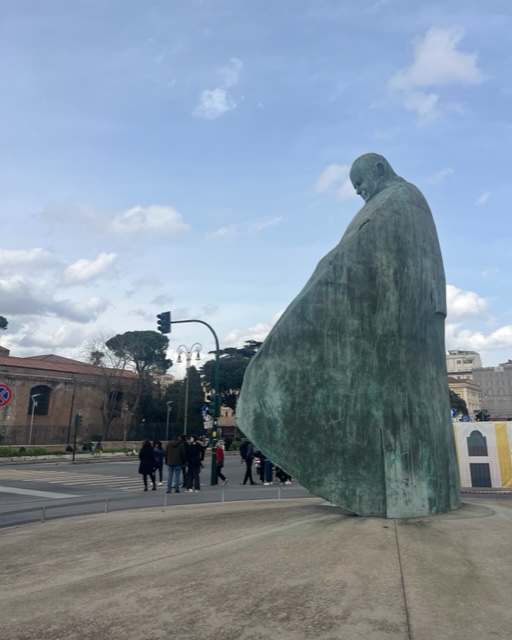
A Roman Sculpture
This is one of my favourite sculptures in Rome. It’s outside Roma Termini. It’s John Paul the Great or Saint John Paul II.
||||||||||||||||||||||||||||||||||||||||||||||||||||||||
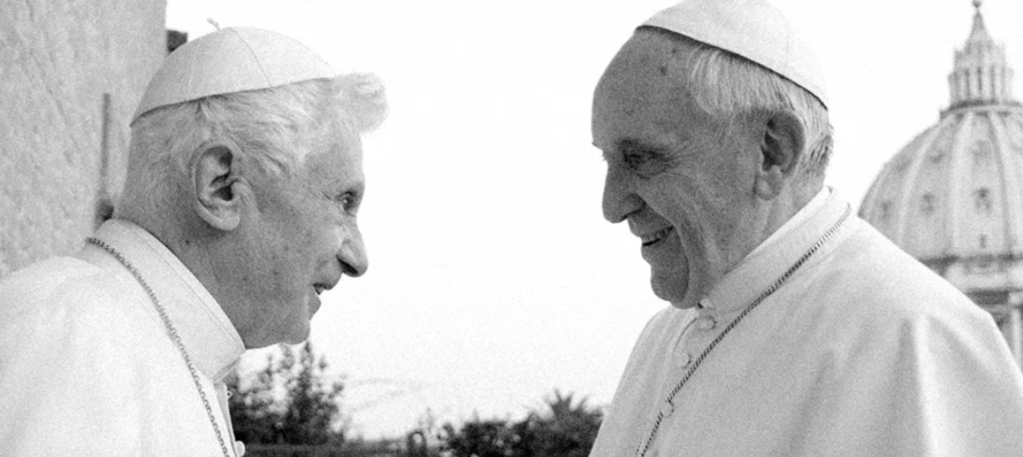
“Discernment is an art, an art that can be learned and which has its own rules. If learned well, it enables spiritual experience to be lived in an ever more beautiful and orderly manner.”
Pope Francis on Spiritual Accompaniment
Wednesday, 4 January 2023
||||||||||||||||||||||||||||||||||||||||||||||||||||||||
 Pope Luciani School of Catholic Science Thinking